
How AI & Hyper-Personalisation are Changing Digital Marketing in India .
Introduction
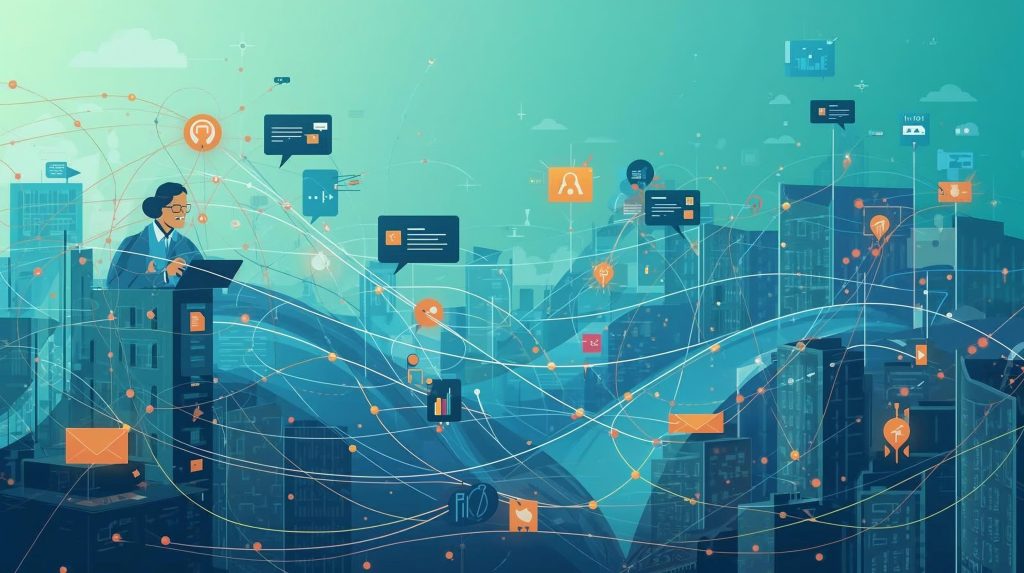
India’s digital marketing landscape is experiencing a seismic transformation. As brands compete for attention in a vast, diverse, and rapidly digitising market, Artificial Intelligence (AI) and hyper-personalisation have emerged as powerful tools to elevate customer experiences, drive conversion, and foster loyalty. AI is no longer a futuristic buzzword but a pragmatic driver behind some of the most successful campaigns by Indian and international brands alike. From personalized recommendations to emotionally intelligent chatbots, the blend of AI with data-driven hyper-personalisation has made it possible to connect with Indian consumers in deeply meaningful ways.
What is Hyper-Personalisation?
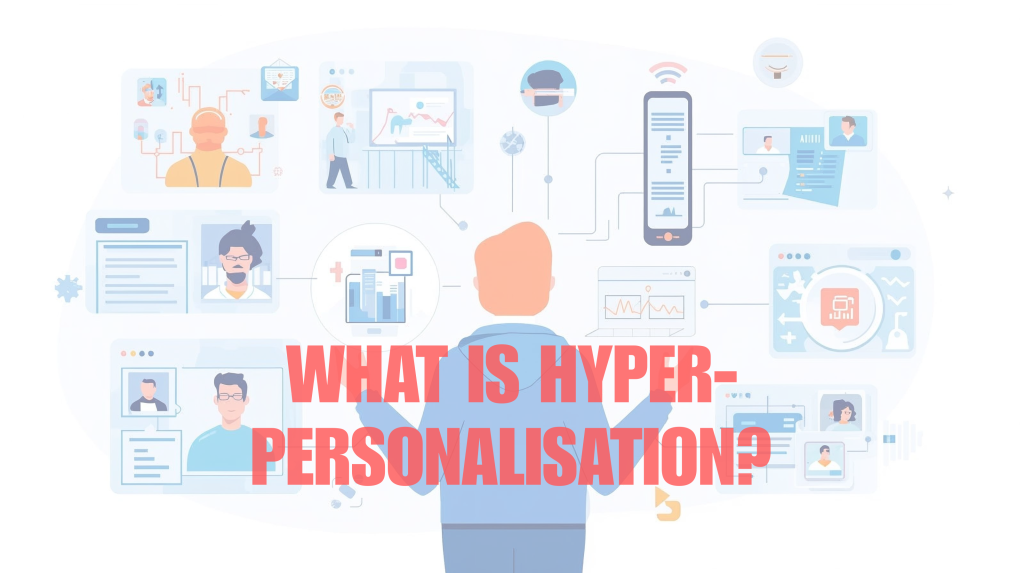
Hyper-personalisation goes far beyond merely addressing a customer by name. It’s about creating marketing journeys in real time, uniquely tailored to each individual’s preferences, behavior, and context. Traditional marketing segmentation might target broad groups by age or location. Hyper-personalisation, however, leverages AI, machine learning, and vast quantities of data—covering browsing patterns, previous purchases, device types, and even the weather—to craft highly relevant interactions at the right moment and on the right channel.
In India, where customers come from a multitude of linguistic, cultural, and economic backgrounds, hyper-personalisation enables brands to truly “localize” their engagement—whether it’s through vernacular language content, regional festival offers, or recommendations tailored to rural versus urban contexts.
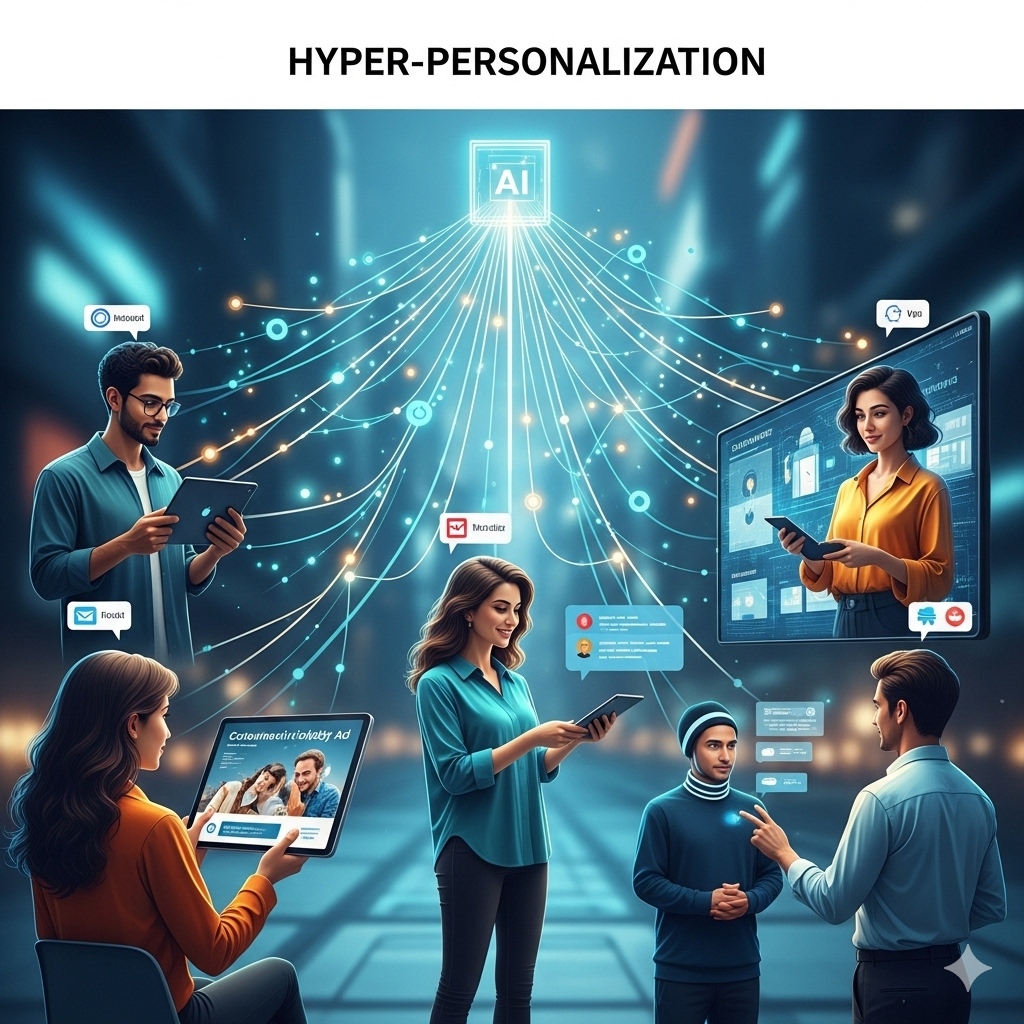
AI is the engine that powers hyper-personalisation, automating the analysis of millions of data points and drawing actionable insights faster than humanly possible. Here’s how Indian businesses are using AI in digital marketing:
Data Analysis at Scale: Indian enterprises use AI to deduce customer preferences by sifting through data from social media, purchases, search habits, and more. This allows for the construction of rich customer profiles and more accurate targeting than ever before.
Real-Time Recommendations: E-commerce sites now deploy AI algorithms to recommend products instantly, based on live browsing behaviour, recent carts, and even likely future needs.
Dynamic Content and Chatbots: AI-driven content generators and chatbots deliver personalized emails, ads, landing pages, and real-time support in customers’ preferred languages, including regional and vernacular media.
Predictive Analytics: AI can predict not just what a customer wants today, but what they might want next week. For example, fintech platforms anticipate credit needs before a formal application, and OTT platforms suggest new shows based on nuanced viewing history .
Indian Case Studies and Real-World Examples
India is a fertile ground for innovation in digital marketing. Here are some notable applications and results:
E-commerce & Retail: Platforms like Flipkart and Amazon use AI-powered recommendation engines to build “one-of-a-kind” homepages for each user, reflecting recently viewed products, localities, ongoing festivals, and price sensitivity.
Voice and Vernacular AI: Startups like Jio Haptik and Reverie have pioneered AI-driven voice search in Indian languages, making digital commerce accessible to previously underserved populations.
BFSI (Banking, Financial Services, and Insurance): Hyper-personalised offers and credit scores are now delivered via AI analysis of transaction history, mobile top-ups, and repayment patterns.
Customer Service: Companies like Meesho and Ixigo leverage AI chatbots and CRM systems to provide 24×7, hyper-personalised support, resulting in greater customer satisfaction and reduced operating costs.
Cultural Intelligence: Marketing with Empathy.
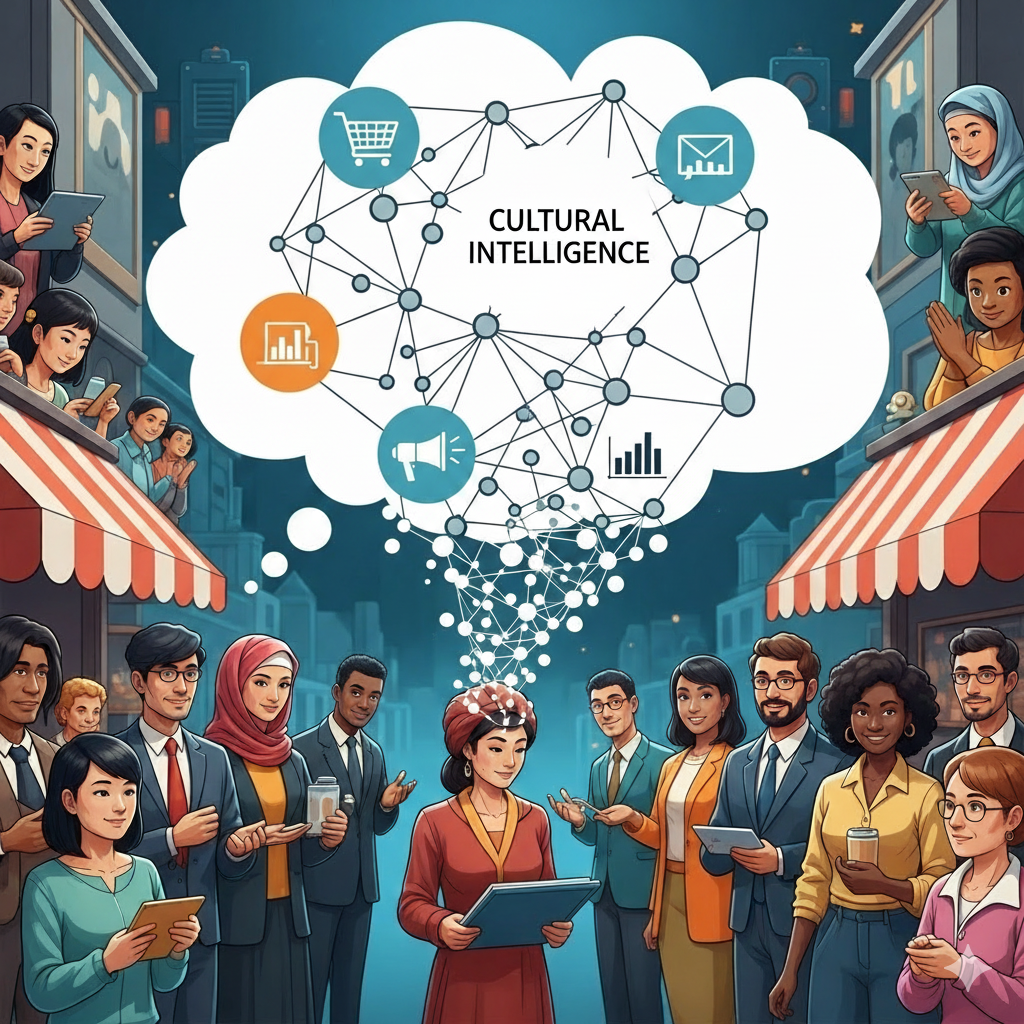
India’s diversity is both a challenge and an opportunity. AI not only processes language differences but is also capable of picking up on cultural cues, regional trends, and even emotional states. This ensures that a festive greeting in Tamil Nadu arrives in Tamil, mentioning Pongal—not Diwali, which would be regionally irrelevant. By respecting these nuances through AI-led hyper-personalisation, brands build trust and increase the likelihood of customer engagement.
The Human Touch in an Automated World.
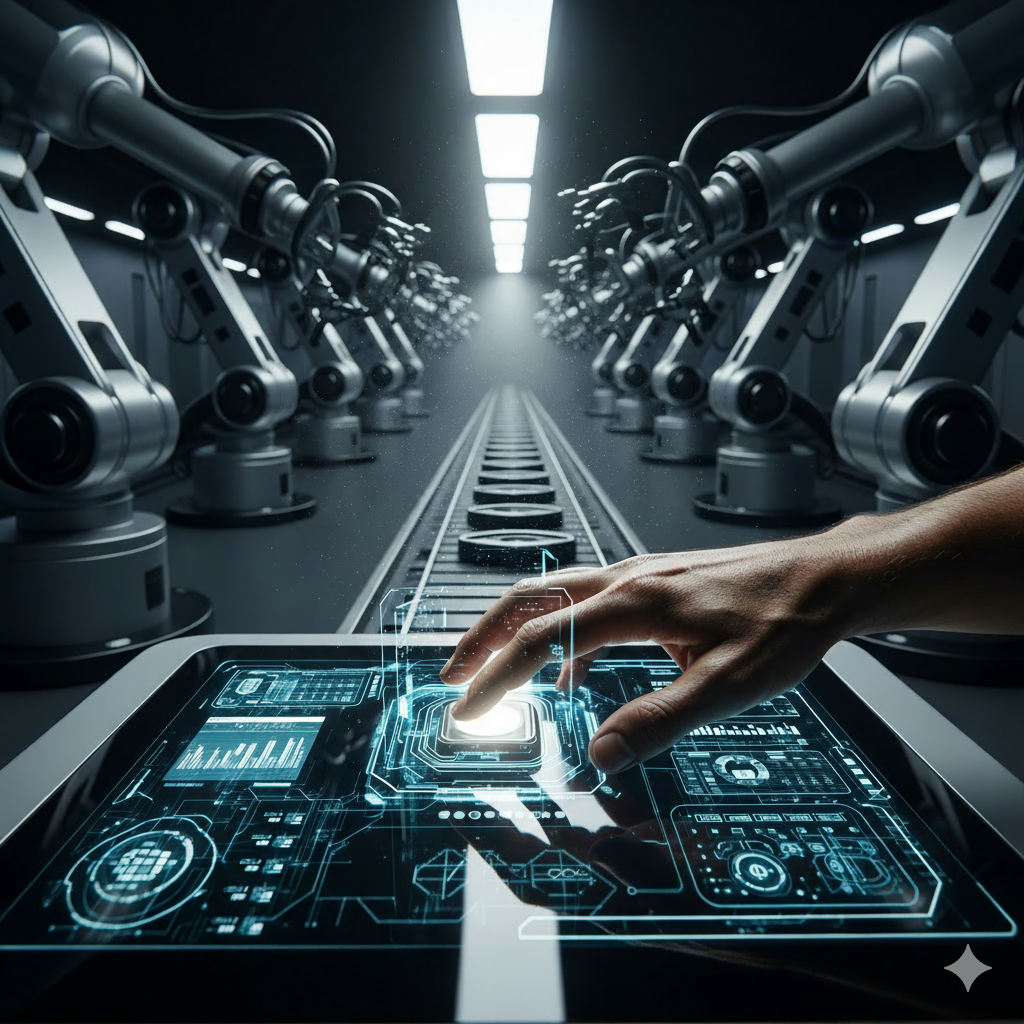
With all this automation, where do humans fit in? Contrary to fears that AI will replace marketing jobs, Indian brands have found that AI frees up human creative capacity. Marketers now focus more on strategy, creative ideation, and refining AI’s outputs, rather than on tedious, repetitive tasks. The most effective campaigns blend the analytical power of AI with the empathy, imagination, and cultural sensitivity of human teams .
Data Privacy, Trust, and Ethics
AI’s power comes with great responsibility. With stricter data privacy regulations like India’s Digital Personal Data Protection Act (DPDP), brands must prioritize ethical data usage and transparency. In the rush for personalisation, brands must ensure they use customer data wisely, gain consent, and explain clearly how that data will be used. This is not just a legal obligation—it’s vital for winning and maintaining consumer trust in the Indian context, where privacy awareness is on the rise.
Future Trends: What Lies Ahead?
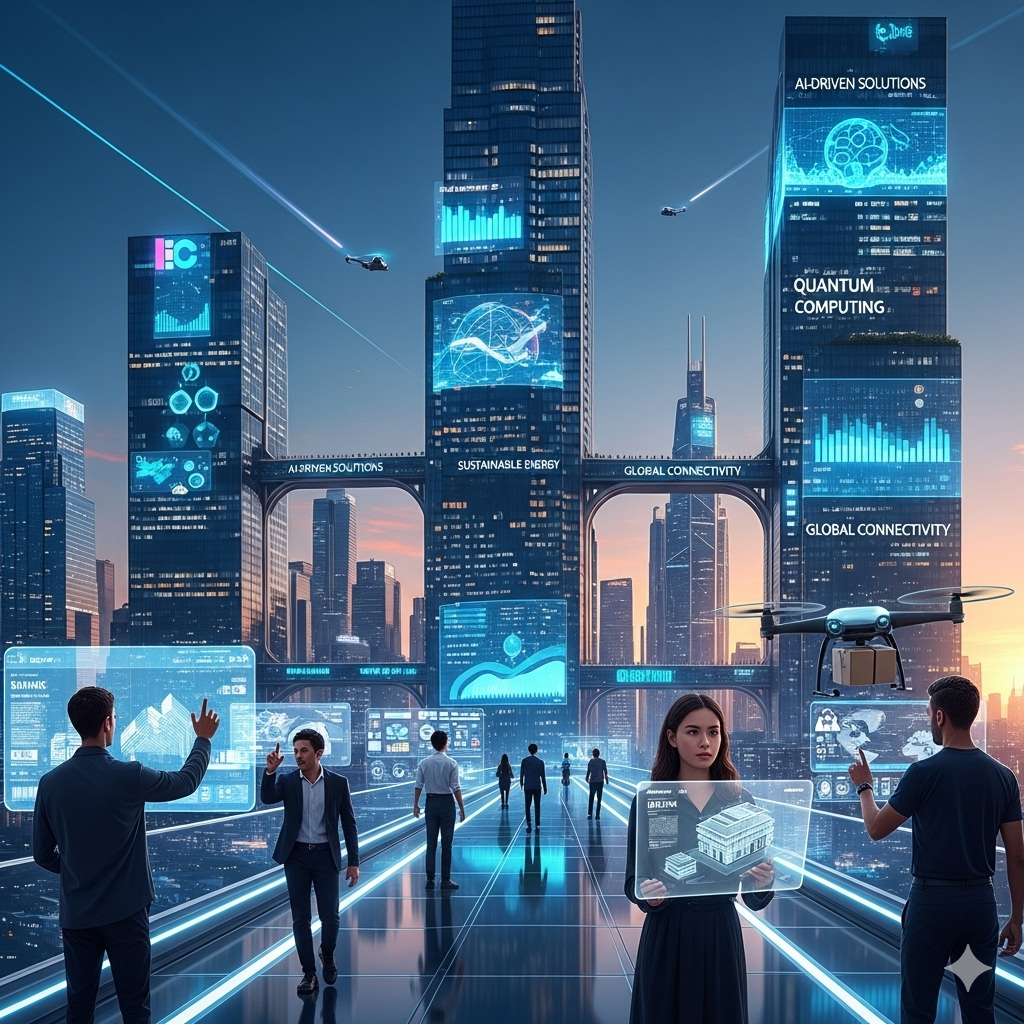
By 2028, experts predict that over half of all customer interactions in India will be managed by AI-enabled systems, with hyper-personalised engagement as the industry standard across sectors. These innovations will move beyond commerce; think healthcare reminders, hyper-localized travel offers, education platforms guiding career decisions, and even regional influencer collaborations—each powered by AI’s understanding of context and intent.
Additionally, generative AI tools will play a growing role in personalised content, creating everything from customised videos to real-time social media engagement, at a scale previously unimaginable.
Conclusion
AI-driven hyper-personalisation is revolutionizing digital marketing in India. It enables brands to engage not just more efficiently, but more meaningfully—with content, recommendations, and experiences that resonate on a uniquely individual level. The winners in this new landscape will be brands that combine cutting-edge technology with a deep respect for India’s rich human, linguistic, and cultural tapestry, always keeping trust and empathy at the heart of their strategies.